Oman Winter Hikes Close by 10 AM When Wadi Sunlight Shifts
Oman's winter hiking season draws travellers with promises of cool air, clear wadi pools, and golden canyon light. But the brochures rarely mention that the light turns harsh by mid-morning, that November crowds triple February numbers, or that flash flood warnings travel by WhatsApp, not signage. After two trips where I made every mistake possible—leaving Muscat at 9 AM, wearing cotton, ignoring local advice—I learned that the difference between a memorable hike and a miserable one comes down to timing and preparation. This is a walkthrough of what actually shifts in Oman's shoulder season, and what to avoid.
The 10 AM Light Deadline That Rewrites Your Hike Plan
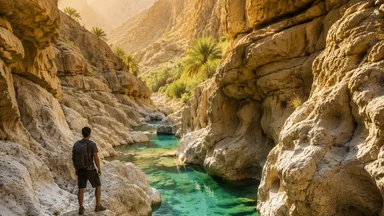
Winter sun in Oman rises around 6:30 AM and by 10 AM the angle shifts dramatically. The soft, warm light that paints wadi walls in amber and rose gives way to a flat, harsh glare that bleaches colour from the rock. Photographers call the first two hours after sunrise the golden window. Local guide Ali al-Habsi, who leads hikes in Wadi Shab, puts it plainly: 'If you are not on the trail by 7 AM, you are fighting the sun all day.'
Oman's Ministry of Tourism advises early starts on its website, but many visitors ignore this, lulled by the promise of a leisurely breakfast. By 10:30, the canyon floors become a patchwork of blinding light and deep shadow, making both photography and navigation harder. The contrast exceeds what most phone cameras can handle, and the heat begins to build, even in December.
I learned this the hard way on my first wadi walk at Wadi Bani Khalid. I left Muscat at 9 AM, arrived at the trailhead after 10, and spent the next hour squinting into a sun that bleached every photo. The pools that should have glowed turquoise looked washed out. By noon, I was retreating, having seen only a fraction of the gorge.
Ali al-Habsi recommends starting the hike by 7 AM, which means leaving Muscat or Nizwa by 5:30 AM. That sounds punishing, but the reward is a couple of hours of extraordinary light, cooler temperatures, and near-empty trails. The crowds start arriving around 9 AM, just as the light turns.
But is starting earlier always better? Some hikers argue that the light in the deepest parts of the canyon doesn't improve until after 9 AM, when the sun finally crests the high walls. In narrow gorges, the golden window can be delayed by an hour or more. If you are hiking in a particularly deep wadi like Wadi Tiwi, you might find the canyon floor in shadow until 8:30 AM. The trade-off is that you lose the softer light on the upper walls. It's a choice between warm walls and well-lit pools. I've found that starting at 7 AM and walking slowly gives you both—the upper walls glow first, and by the time you reach the pools, the sun is just hitting the water.
Why November and February Are Not the Same Month
Many travellers assume that 'winter' in Oman means a uniform season from November to February. In reality, November and February are distinct in ways that affect crowds, water levels, and prices. November is peak tourist season, with temperatures still warm—highs around 30°C—and school holidays in parts of Europe and the Gulf bringing crowds to Wadi Shab and Nizwa. Accommodation in Nizwa can cost 40% more in November than in late January.
February, by contrast, sees temperatures drop to around 25°C highs, making midday hiking more bearable. The crowds thin out significantly after New Year. I visited Wadi Shab in early February and had the main pool almost to myself at 8 AM. The trade-off is that February wadis carry more water from winter rains, which can close some trails temporarily but also makes the pools deeper and more inviting.
Desert camping in the Wahiba Sands is easier to arrange in late January and February. Permits from the Bedouin-run camps are more available, and night temperatures—while dropping to around 10°C—are manageable with a good sleeping bag. In November, the sand retains more daytime heat, but the camps can be booked solid weeks ahead.
If you are flexible, aim for late January or early February. You will find lower prices, fewer people, and better conditions for both wadi hiking and desert camping. November works for those who want warmer evenings, but expect to queue at popular trailheads and pay more for accommodation.
However, November has its defenders. The warmer water temperatures in wadi pools make swimming more pleasant—February water can be bracingly cold, especially in shaded pools. And the longer daylight hours in November (sunset around 5:45 PM versus 5:30 PM in February) give you a bit more flexibility for late-afternoon hikes. I met a French couple in November who preferred the livelier atmosphere, with more travellers to swap stories with over dinner. It really depends on whether you prioritise solitude or socialising.
The Three Mistakes That Wrecked My First Wadi Walk
My first attempt at a wadi hike was a catalogue of errors. Mistake one: leaving Muscat at 9 AM. By the time I reached Wadi Bani Khalid, the sun was high, the light was harsh, and the trail was already crowded with day-trippers. The pools were still beautiful, but the experience felt rushed and overheated.
Mistake two: assuming dry riverbeds stay passable after rain. I had checked the forecast—clear skies—but I did not realise that rain upstream can cause flash floods hours later, even when the sun is shining. A local villager waved me back from a narrow gorge where water had risen waist-high just 30 minutes earlier. I had no way of knowing, and no phone signal to check warnings.
Mistake three: skipping proper footwear. I wore trainers with minimal grip, and on the slick limestone near the water, I slipped twice, once nearly dropping my camera into a pool. The rocks are polished by centuries of water, and the algae makes them treacherous. Local hikers wear sturdy hiking boots or water shoes with good soles. I now carry both.
These mistakes are common. I have seen tourists in flip-flops trying to navigate boulder fields, and families with small children starting hikes at 11 AM with one litre of water. The consequences can range from discomfort to danger. A little planning avoids most of them.
But not all mistakes are obvious. One I've heard repeated: relying on phone GPS in the canyon. A German hiker I met near Wadi Shab spent an hour trying to follow a trail that didn't exist on his map. He had downloaded the area but the map was outdated, showing a path that had been washed away. The lesson: cross-reference your map with local knowledge. Ask at the village shop or a nearby guide—they'll know which trails are current. Also, waterfalls can be deceiving: what looks like a gentle cascade in dry season can become a torrent after rain, blocking the only route forward. Always check recent weather reports for the entire watershed, not just your location.
How a Single Degree of Latitude Changes Your Packing
Oman spans about 10 degrees of latitude, from the Musandam Peninsula in the north to the Dhofar region in the south. A single degree of latitude can mean a 5°C temperature difference and a completely different climate. In winter, Muscat typically sees daytime highs around 25°C, while the Musandam Peninsula, 400 km north, is often 5°C cooler—and windier.
Salalah, in the south, has its own microclimate. The khareef (monsoon) season ends by September, so winter is dry and pleasant, with highs around 27°C. But the humidity is higher than in the north, and a light windproof layer is useful for evenings. If you are hiking in the Hajar mountains, particularly Jebel Shams above 2,000 metres, temperatures can drop to near freezing at night, even in February.
Sun protection is non-negotiable year-round. The UV index in Oman is high even in December, and the reflection off limestone and sand amplifies exposure. A factor 50+ sunscreen, a wide-brimmed hat, and sunglasses are essential. I learned this after a day on Jebel Shams left my ears sunburned despite overcast skies.
A headlamp is mandatory for early-morning canyon descents, which often start in darkness. Many wadi trails begin with a steep descent into a gorge where the sun does not reach until 8 AM. Without a headlamp, you are navigating uneven, damp terrain by phone light—a recipe for a twisted ankle. Pack one, even if you plan to start after sunrise.
Altitude adds another layer. At Jebel Shams, the thin air and cooler temperatures mean you burn more energy. I found myself needing an extra 500 ml of water compared to sea-level hikes. And the wind at altitude can be fierce—a windproof jacket is worth its weight. I once saw a hiker in a cotton hoodie shivering at the summit in February; he turned back early. Don't underestimate the mountain microclimate.
What the Brochures Leave Out About Wadi Permits
Most guidebooks mention that some wadis require permits, but the reality is more complicated. Wadi Tiwi, for example, requires permission from the local village council, which can be arranged through a guide or by asking at the village shop. The process is informal, and the fee is modest, but if you arrive without prior arrangement, you may be turned away.
Parking fees at some trailheads are collected informally by local residents. At Wadi Shab, a man in a fluorescent vest collects a small fee—around 1 OMR—and watches your car. This is not official, but it is expected. I have seen tourists argue over the fee, only to find their car tyre let down upon return.
GPS signal drops in narrow gorges for kilometres at a stretch. The canyon walls block satellite reception, and offline maps become essential. I use an app that stores the Hajar mountain range topography, downloaded before leaving Muscat. Even then, trail markers can be sparse. Near abandoned villages, paths diverge without clear signs, and it is easy to take a wrong turn that adds an hour to your hike.
Emergency contact numbers are rarely posted in Arabic, let alone English. The Oman Ministry of Tourism's emergency number is 999, but in remote wadis, response times can be long. The most practical safety net is a local guide or a friend who knows the area. Flash flood warnings are often issued via WhatsApp groups run by local guides—another reason to hire one.
Permit quirks vary by wadi. At Wadi Bani Khalid, there's a small entrance fee collected at a booth near the main parking area—no advance booking needed. But at Wadi Al Arbaeen, you might need to register with the local police post. I've heard of hikers being turned away because they didn't have a copy of their passport. Always carry your passport or a colour photocopy. And if you plan to camp overnight in a wadi, you may need a separate permit from the Royal Oman Police. The rules are not always clear, so ask at your hotel or a local tour operator before heading out.
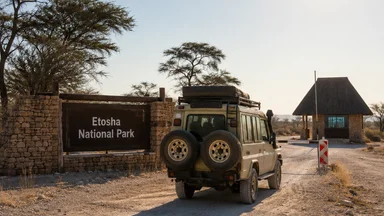
For a deeper look at how timing affects access, read our article on Namibia Etosha Gate Refusals, where afternoon closures follow a similar pattern of overlooked windows.
The Two-Hour Window When Desert Camps Become Livable
Desert camping in the Wahiba Sands is a highlight of any Oman trip, but the experience is governed by a narrow window of comfort. Sunset colours last barely 20 minutes, and the best light for photography is the 30 minutes before the sun dips below the dunes. After that, the temperature plummets quickly.
Campfires are allowed only after official sunset time, which in winter is around 5:30 PM. Bedouin host Mohammed al-Mahrouqi, who runs a camp near Al Wasil, serves dinner at 6 PM sharp. 'If you are late, the food is cold and the fire is low,' he told me. His camp accommodates about 20 guests, and the evening meal is a communal affair around a fire pit.
Night temperatures drop to around 10°C even in February, and the wind can make it feel colder. A good sleeping bag rated for 0°C is advisable, along with a thermal base layer. The tents provided by camps are basic canvas structures that do little to retain heat. I spent one night shivering in a cheap sleeping bag, vowing never to repeat the mistake.
Morning wind picks up by 8 AM, often collapsing lightweight tents if they are not staked properly. Mohammed advises guests to pack up before breakfast, as the wind can make packing miserable. The window for a comfortable morning walk on the dunes is 6:30 to 8 AM—after that, the wind and heat combine to make the sand unpleasant.
But not all desert camps are the same. Some offer upgraded tents with thicker walls and mattresses, which retain heat better. A friend stayed at a camp near Bidiyah that provided electric blankets—a luxury that made the cold bearable. If you are a light sleeper, bring earplugs; the wind can howl across the dunes. Also, consider the moon phase: a full moon brightens the desert at night, making for stunning walks, but it also means less dramatic star photography. For stargazers, a new moon is best.
For a similar lesson in timing windows, see our article on Norway Fjord Ferry Schedules, where ferry timings shift with the midnight sun.
A Checklist for the 6 AM Departure That Actually Works
An early start requires preparation the night before. Pre-book a taxi from Muscat at least one day ahead; drivers willing to start at 5 AM are limited, and hailing one on the street at that hour is unreliable. Many hotels can arrange a driver for around 30–40 OMR for a full day, but confirm the price and departure time in writing.
Pack a dry bag for electronics—wadi splashes and sudden rain can soak a backpack. I use a 10-litre dry bag inside my daypack for the camera and phone. Quick-dry clothing is essential; cotton stays wet and cold if you slip into a pool or get caught in a shower. Synthetic hiking pants and a merino wool top work well.
Carry at least 3 litres of water per person. Many wadi hikes last 3–5 hours, and the dry air accelerates dehydration. Electrolyte tablets can help. Snacks high in salt and sugar—nuts, dried fruit, energy bars—are better than a heavy lunch that slows you down.
Download offline maps of the Hajar mountain range before you leave Muscat. Apps like Maps.me or Gaia GPS store detailed topography. Also save a screenshot of the trailhead location and emergency numbers. Even with offline maps, pay attention to trail markers and ask locals if unsure.
One more thing: test your gear the night before. I once arrived at a trailhead to find my headlamp batteries dead. Now I carry spares and check everything before I pack. And don't forget a small first-aid kit—blisters are common on long hikes, and a simple bandage can save your day. A whistle is also useful; if you get lost or injured, it carries farther than your voice. Finally, leave your itinerary with someone at your hotel. If you don't return by evening, they can alert authorities. It's a simple step that many overlook.
For a different kind of timing puzzle, read about Texas Short-Haul Bus Lines, where midday windows dictate rural connectivity.