Oaxaca Market Stall Cash Math Shifts Twice Before 10 AM Opening Window
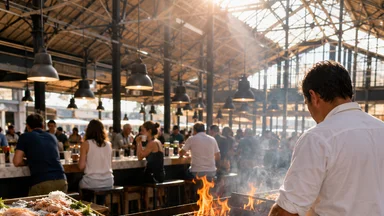
Oaxaca City's markets are a study in timed economics. Before the sun clears the cathedral, vendors at the Benito Juárez market have already adjusted their prices—not by a fixed percentage, but by a fluid logic that shifts twice before the 10 a.m. window. Understanding this rhythm is the difference between paying 70 pesos for a tlayuda and paying 120. It is not about haggling; it is about showing up at the right hour.
The pre-dawn rate reset: why Oaxaca market stalls quote two prices before 8 a.m.
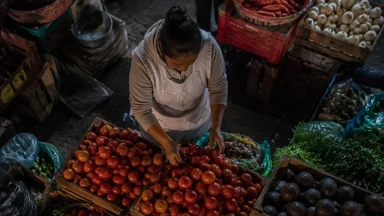
Walk into the Benito Juárez market at 6:30 a.m., and you will see vendors unloading crates of tomatoes, avocados, and chiles. At this hour, the same vendor who will later quote 40 pesos per kilo of jícama might sell it for 32 pesos. The early-morning price is for the cooks who buy in bulk—the ones who run the comedores and need fifty kilos of onions before the lunch rush. By 7:30 a.m., as tourists begin to trickle in, the price edges up by roughly 8–15 percent, depending on the item and the vendor's read of the customer.
This dual pricing is not malicious; it is a survival tactic. Locals know the game and arrive early. A 2024 visit confirmed that a kilo of chapulines—toasted grasshoppers, a Oaxaca staple—ranged from 120 to 180 pesos depending on the stall and the time of day. The lower end was available only before 8 a.m. After that, the same bag cost 150 pesos minimum. Seasonal availability also matters: during the rainy season, chapulines become scarcer and the baseline shifts upward.
Cash is king until 9 a.m. ATMs near the market charge a flat fee of roughly 30 to 50 pesos per withdrawal, so it pays to bring enough bills. Many vendors simply do not have the change for a 500-peso note first thing, so smaller denominations—20s, 50s, 100s—are preferred. The market's own currency is the peso, but the real currency is timing.
Data from late 2024 visits suggests these patterns hold, though inflation and seasonal shifts can tweak the numbers. A vendor who sold tomatoes at 18 pesos per kilo in November might charge 22 pesos by February. The principle remains: arrive early, pay less.
Timing and price shifts: from pre-dawn to the 10 a.m. inflection
Around 10 a.m., a subtle change ripples through the market. Some stalls—particularly those selling prepared food or packaged goods—bring out a small card reader. The acceptance is not universal; roughly one in four stalls will take cards, and those that do often add a 3–5 percent surcharge. This is not a secret; vendors will point to a hand-written sign or simply tell you the price is slightly higher with plastic. For a 100-peso meal, that surcharge amounts to a few pesos—a convenience fee for not carrying cash.
Hygiene practices also shift around this hour. The ice vendor arrives around 9:30 a.m., and by 10 a.m., seafood stalls are packed in fresh ice. Before that, fish may have been sitting out since the overnight delivery. Regulars look for white cutting boards, not colored ones. White boards are typically used for raw meat and fish, while colored boards (green for vegetables, yellow for poultry) indicate a system that separates raw and cooked. A stall that uses only one board for everything is best avoided.
Salsa samples left out past 10 a.m. are another tell. By then, the salsa has been sitting at room temperature for hours, and flies have had their share. Locals rarely touch samples after 10 a.m.; they order based on reputation or ask for a fresh spoonful from a refrigerated container. Vendors who keep their salsa in a covered container and offer a clean spoon are signaling that they care about turnover and freshness.
A Condé Nast Traveler piece from 2026 on street food timing noted similar cues in markets across Mexico—the ice delivery schedule, the cutting board color codes, the salsa sample lifecycle. These observations are not unique to Oaxaca, but they are especially reliable here because the market culture is so entrenched. The 10 a.m. inflection is not a hard cutoff; it is a guideline for when to be more discerning.
The price shifts continue throughout the morning. Before 8 a.m., a tlayuda with tasajo costs between 60 and 80 pesos. Between 8 a.m. and 10 a.m., the same tlayuda goes for 80 to 100 pesos. After 10 a.m., it climbs to 100–130 pesos. The difference between the earliest and latest price can be as much as 70 pesos—enough for a tejate and a memela. This pattern holds across many stalls, though individual variation exists. A vendor near the meat section might charge more for convenience, while a stall deeper in the market may offer lower prices to attract customers.
Stall math: what a 200-peso budget actually buys at different hours
Let's walk through a practical scenario. You have 200 pesos—roughly US$10 as of late 2024—and you want a filling breakfast. Before 8 a.m., a tlayuda with tasajo costs between 60 and 80 pesos at most stalls. Between 8 a.m. and 10 a.m., the same tlayuda climbs to 80–100 pesos. After 10 a.m., it reaches 100–130 pesos. The difference of 20–50 pesos is enough for a tejate, the local corn-and-cacao drink, which runs about 15–20 pesos a cup. Timing alone can stretch your budget by a full item.
Three memelas—thick corn tortillas topped with beans, cheese, and salsa—plus a tejate cost roughly 45–65 pesos total before 10 a.m. That leaves 135–155 pesos for a mid-morning snack or a second round. Fresh Oaxaca cheese, a soft, stringy cheese that resembles mozzarella, sells for 35–50 pesos per 250 grams. A wedge with some tortillas and salsa makes a cheap, portable lunch.
Mole negro, the complex sauce that Oaxaca is famous for, is often sold in small sample cups. Three cups—one each of negro, coloradito, and verde—run about 50–70 pesos. That is enough to taste without committing to a whole kilo. A filling breakfast of a tlayuda, three memelas, a tejate, and a cheese wedge comes to roughly 150–200 pesos before 10 a.m. After that, the same spread might cost 220–260 pesos.
The math is straightforward: the early bird does not just get the best produce; she gets an extra item for the same money. If you are on a tight budget, the first hour of market operation is the most forgiving. Consider a more elaborate meal: a tlayuda with cecina (salted, dried beef), two memelas, a tejate, and a small cup of mole negro. Before 8 a.m., this would cost about 120–150 pesos. Between 8 and 10 a.m., it rises to 150–180 pesos. After 10 a.m., it could top 200 pesos. By arriving early, you save enough to add a third memela or a piece of fruit.
Hygiene cues that regulars trust (and guidebooks miss)
Guidebooks often offer generic advice: eat where the locals eat, look for busy stalls. But regulars look for specific, observable signals. A clean apron is more telling than a clean shirt. Aprons take a beating from grease and salsa; a vendor who changes hers midday is likely conscientious about cross-contamination. Similarly, utensils stored handle-up in a jar—not flat on the counter—means the cooking end stays clean.
Lime wedges are a common garnish in Oaxaca, but how they are stored matters. A bowl of uncovered lime wedges left on the counter is a fly magnet. Regulars prefer stalls that keep limes in a covered container or cut them to order. The same goes for cilantro and onion toppings: if they are sitting out in the open, they have been there a while.
Cutting boards are the most obvious cue. A stall with separate boards for raw meat, cooked meat, and vegetables is following basic kitchen safety. Many stalls in Oaxaca use color-coded boards—white for meat, green for produce, yellow for poultry. If you see a single, worn board used for everything, the risk of cross-contamination is higher.
Queue length is a reliable but imperfect signal. A line of five or more customers suggests that the food is good and the turnover is high, which also means the ingredients are fresh. But some stalls with long lines are simply the ones that tourist blogs have hyped. Regulars also check whether the queue is made up of locals—people carrying reusable bags, speaking Zapotec or Spanish, not holding phones for photos. That is the real vote of confidence.
These cues are not foolproof, but they give a traveler a framework for making quick decisions. When in doubt, watch what the person ahead of you orders, and note whether the vendor handles money and food with the same hands. Many stalls now have one person handle cash and another handle food; that is a good sign.
Another cue is the condition of the cooking oil. If the oil in the frying pan looks dark and murky, it has been reused many times. Fresh oil is clear and light. Stalls that change oil daily often have a container of used oil set aside. Also, check the water used for washing produce. If the vendor rinses vegetables in a bucket of standing water rather than running water, the risk of bacterial buildup is higher. Running water, even from a hose, is preferable.
What to skip even at peak freshness: overpriced tourist traps
Not everything in the market is worth your pesos. Pre-packaged mole paste sold near the zócalo—the main square—carries a markup of 150–200 percent compared to what you would pay at a stall deeper in the market. The paste is often the same product, just repackaged with a fancy label. Buy mole from a stall where you can see the pot and smell the ingredients.
Chocolate-scented soap marketed as 'artisan' at 120 pesos per bar is another trap. Real Oaxacan chocolate is for drinking, not for washing. The soap is often mass-produced and sold at a premium to tourists who assume it is handmade. If you want chocolate, buy drinking chocolate tablets from a stall that roasts and grinds its own cacao.
Bottled water from stalls without a visible ice supply is a subtle rip-off. Many vendors buy giant jugs of purified water and sell it in small bottles at a steep markup. You are better off buying a 1.5-liter bottle from a convenience store for about 15 pesos. Also be wary of Oaxaca cheese sold in vacuum packs. Vacuum packing can mask improper aging; fresh cheese should be sold in a tub of water or wrapped in paper, not sealed in plastic.
Finally, skip the 'market tour' groups that pay commission to stalls. These tours often steer you to vendors who inflate prices to cover the kickback. You will pay more for the same tlayuda that a solo traveler gets for 80 pesos. Explore on your own, or hire a local guide who does not take commissions. The market is not a maze; it is a grid. You can navigate it without a group.
Another item to avoid is pre-sliced fruit sold in plastic cups. The fruit may be overripe or cut from damaged portions. Buy whole fruit and ask the vendor to cut it for you on the spot. That way you can see the quality. Also, be cautious with 'artisan' mezcal sold in decorative bottles. Many of these are mass-produced and flavored with additives. Look for mezcal that is sold in simple glass bottles with a handwritten label, and ask the vendor about the agave type and production method.
Verifying before you buy: practical checks for produce and prepared foods
In Oaxaca markets, stalls rarely offer refunds. Once you hand over the pesos, the transaction is done. Before buying produce, check the weight and ripeness. A vendor might hand you a bag of tomatoes that looks full but includes a few soft ones at the bottom. Weigh the bag yourself if the scale is visible, or ask the vendor to weigh it in front of you. For mole or salsa sold by the kilo, ask for a taste first. A good vendor will offer a small sample on a clean spoon. If they hesitate, move on.
Short-weighting is a known issue in some stalls. A vendor might set the scale to zero with a small weight already on the pan, or use a scale that is not level. Watch the scale as the item is weighed. If the price seems too low for the quantity, check the weight. A 500-gram bag of chapulines that costs 60 pesos is almost certainly short-weighted; the market price is closer to 120–180 pesos per kilo.
For prepared foods like tlayudas, watch the preparation. A good vendor will start with a fresh tortilla and grill it on a comal. If the tortilla is pre-made and reheated, the texture will be stiff. Ask when the tortillas were made. If the answer is vague, find another stall. The market rewards scrutiny.
Another check is the cleanliness of the preparation area. Look for spills, crumbs, or pests. A stall that wipes down the counter regularly is more likely to maintain hygiene. Also, note whether the vendor wears gloves when handling food. While gloves are not mandatory, their absence is not necessarily a red flag if the vendor washes hands frequently. But if the vendor handles money and then touches food without washing, that is a concern.
Closing the window: what changes after 1 p.m. and why it matters
By 1 p.m., the market's energy begins to fade. Many stalls close between 2 and 4 p.m. for siesta, especially on weekdays. The afternoon selection is thinner; what remains may have been sitting out since morning. Leftover tortillas are often sold at half price around 1:30 p.m., a good deal if you plan to eat them immediately. But do not buy tortillas that have been sitting in a basket for hours; they will be stiff and dry.
Fruit vendors sometimes rehydrate wilted produce with a water spray. This makes the fruit look fresh but does not restore its texture or flavor. Peaches and mangoes that look plump after a spray may be mealy inside. Stick to fruit that is visibly firm and not sitting in a puddle of water.
The best time for cheap chapulines is between 1 and 2 p.m., as stalls clear inventory before the afternoon break. Vendors would rather sell at a discount than carry the stock overnight. Prices can drop by 10–20 percent during this window. The same logic applies to fresh cheese and herbs: if a vendor has a lot left, they may offer a deal rather than let it spoil.
Closing times vary by season and day of the week. On Sundays, many stalls close by 2 p.m. In the high season (December to March), some stay open later to catch the dinner crowd. The hedge is necessary: no single schedule applies to all stalls. Ask a vendor when they plan to close, and use that as a guide for your own timing. The market's rhythm is not rigid, but it is predictable enough to plan around.
After 2 p.m., the market becomes quieter. Some stalls that remain open may offer discounts on remaining stock. A tlayuda that cost 100 pesos at noon might be 80 pesos at 2:30 p.m. However, the quality may be lower if ingredients have been sitting out. It is a trade-off: lower price for potentially lower freshness. If you are buying for immediate consumption, the afternoon discounts can be worthwhile. For example, a vendor selling tamales may reduce the price from 20 pesos each to 15 pesos after 1 p.m. But check that the tamales are still warm and the masa is not dry.
Another afternoon opportunity is the sale of fresh juices. Many juice stalls use fruit that is slightly overripe to make drinks, offering them at a discount. A large glass of orange juice that costs 30 pesos in the morning might be 20 pesos in the afternoon. The flavor is often sweeter because the fruit is riper. Just ensure the stall uses clean equipment and chilled fruit.
For a deeper dive into market timing, see our related piece on Mexico City market crawl, which follows similar principles in a different context. And if you are comparing market strategies across regions, the Texas short-haul bus article shows how timing windows matter beyond food.