Chile Tourist Card Renewal Trips Overland at Peruvian Border Crossings
Chile's 90-day tourist card is generous, but it comes with a catch: overstay penalties that stack fast, sometimes up to US$100 per day. Many travelers assume a quick bus to Peru or Argentina resets the clock, only to find themselves denied re-entry or stuck in a border office for hours. The rules are straightforward, but the execution requires attention to detail. This walkthrough covers the major overland renewal routes, the paperwork pitfalls, and the timing decisions that separate a smooth trip from a costly headache.
The 90-Day Trap That Catches Even Seasoned Travelers
Chile grants most nationalities a 90-day tourist card (Tarjeta de Turismo) upon arrival by air or land. The countdown starts the day you enter. Overstay by even one day, and you face a fine that escalates quickly—some travelers report paying around US$100 per day for extended overstays. The fine is payable at the airport or border when leaving, and it can delay your departure significantly.
The common misconception is that a short bus trip to a neighboring country automatically resets the 90-day allowance. In reality, immigration officers at crossings like Chacalluta (the main Peru–Chile gateway near Arica) check your entry dates carefully. If you re-enter Chile too soon after a previous stay, you may be granted a reduced period—sometimes as little as 30 days—or denied entry altogether. The rule is that you must exit Chile fully and then re-enter to start a new tourist card. But the officer has discretion, and a pattern of repeated short exits can raise flags.
One seasoned backpacker I spoke with, who has renewed his tourist card four times over two years, noted that the key is to stay out of Chile for at least one full day before re-entering. “I once did a same-day turnaround from Arica to Tacna and back, and the officer grilled me for 20 minutes before stamping me in for only 30 days,” he said. The lesson: plan an overnight stay in the neighboring country to demonstrate genuine travel, not just a visa run.
Another trap: losing the small paper slip of the Tarjeta de Turismo that immigration gives you on arrival. That slip is your proof of legal entry. If you lose it, you may have to pay a replacement fee—some estimate around US$30—and endure a bureaucratic delay. Keep it with your passport, and make a photocopy as a backup.
A counter-argument worth considering: some travelers argue that a same-day turnaround works fine if you cross at a less busy time or at a crossing known for lax enforcement. But the risk is real. Officers at Chacalluta are trained to spot visa runners, and a friend who tried a same-day trip on a Tuesday morning still got only 45 days. The safer bet is always an overnight stay.
Chacalluta Crossing: The Busy Gateway for Arica–Tacna Runs
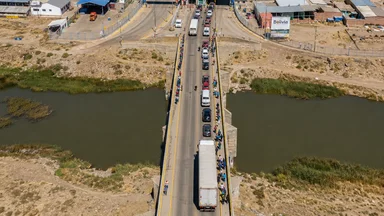
The Chacalluta crossing, connecting Arica (Chile) to Tacna (Peru), is the most popular land route for tourist card renewals. Buses from Arica to Tacna run frequently, with the journey taking roughly 2–3 hours depending on traffic and border processing. The bus fare is modest, typically in the US$5–10 range. Many travelers opt for a day trip, but as noted, a same-day return can trigger scrutiny.
Traffic at Chacalluta peaks on weekends and Chilean holidays, when queues can stretch to 30–90 minutes. On a Tuesday morning in low season, you might clear both sides in under 30 minutes. But on a Friday afternoon before a long weekend, expect delays. The Peruvian side is generally efficient, but Chilean officers returning can be thorough.
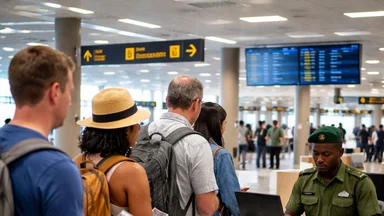
What do they check? Your passport (must have at least six months validity), the tourist card slip, and sometimes proof of onward travel. A printed hotel booking in Chile or a bus ticket out of the country can smooth the process. Some officers ask for proof of sufficient funds—a bank statement or credit card may suffice. Having these ready in a folder speeds things up.
A common mistake is using a bus ticket that doesn't match the border crossing name. For example, a ticket from Arica to Lima via Tacna might list only Tacna, but the officer wants to see that you intend to leave Chile. A return bus ticket from Tacna to Arica, dated at least one day later, is a safer bet. Also, ensure your bus company is reputable; some budget operators have been known to drop passengers at the wrong gate.
Another nuance: if you are driving your own vehicle, the process is different. You need to present the vehicle's registration and a temporary import permit (TIP). The TIP must be canceled upon exit, and re-entering requires a new one. Many travelers forget to cancel the TIP, leading to fines. If you're in a rental car, check with the company about their border-crossing policy—some forbid it.
Trade-off: Chacalluta is fast and cheap, but the scrutiny is high. If you have a clean travel history and a clear purpose, it's fine. But if you've had a previous overstay or have multiple entries, consider a less frequented crossing.
Los Libertadores Tunnel: High-Altitude Paperwork Pitfalls
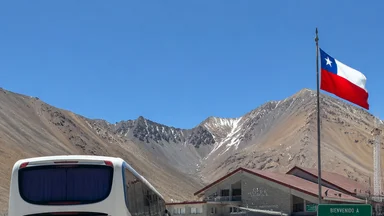
The Los Libertadores tunnel crossing, near Santiago, connects Chile to Mendoza, Argentina. It sits at an altitude above 3,000 meters, which can cause confusion—both from the thin air and the paperwork. The tunnel itself is a marvel of engineering, but the border procedures are straightforward if you follow the steps.
To renew your tourist card, you must exit Chile fully. That means getting an exit stamp from the Chilean side, then crossing into Argentina and obtaining an Argentine entry stamp. Some travelers, in their haste, forget to get the Argentine stamp—they simply walk back to the Chilean side after a few hours. But the Chilean officer will notice the missing Argentine stamp and may deny re-entry or demand an explanation. One traveler recounted a two-hour delay because he had no proof he had actually left Chile.
The Argentine side requires a valid passport and, for some nationalities, a pre-arranged visa or reciprocity fee (though many are exempt). Check the latest requirements before you go. The crossing is open 24 hours, but the Argentine immigration office may close for lunch (typically 1–3 PM), so plan your arrival accordingly. Buses from Santiago to Mendoza run regularly, with fares around US$20–30 for a standard service.
Altitude can affect your documents, too. The cold and dry air can cause paper to become brittle; keep your tourist card slip in a plastic sleeve. Also, be aware that cell service is patchy in the tunnel area, so download offline maps and have your booking confirmations saved on your phone.
A specific data point: in summer (December–February), the tunnel can be congested with tourists heading to Mendoza for wine tours. Queues of up to two hours are common on weekends. In winter, snow closures can occur without warning. Check the Chilean border authority's Twitter feed for real-time updates.
Counter-argument: some travelers prefer this crossing because it's closer to Santiago and offers a chance to visit Mendoza. But the altitude and potential for closures make it less reliable than Chacalluta. If you have a flexible schedule, it's a good option; if you're on a tight timeline, stick to the coast.
The Pino Hachado Route: Remote but With Fewer Eyes
Pino Hachado, in the Araucanía region, is a less crowded crossing between Chile and Argentina. Buses from Temuco run a few times daily, and the journey takes about 3–4 hours. The remoteness means fewer travelers, but also fewer immigration officers—and those officers tend to have more time to scrutinize your documents.
One traveler reported a two-hour interrogation at Pino Hachado over a 91-day stay—one day over the limit. The officer questioned every stamp in his passport and demanded proof of funds. The traveler eventually paid a fine and was allowed re-entry, but the experience was stressful. The lesson: renew before you hit the 85-day mark to leave a buffer.
The crossing is open during daylight hours only, typically 8 AM to 8 PM. Plan to arrive early in the day to avoid being stuck overnight. The Argentine side is small, with basic facilities. Bring snacks and water, as there are no shops nearby. The bus companies that serve this route are reliable but infrequent; book your ticket a day in advance.
Another quirk: officers at Pino Hachado sometimes ask for a yellow fever vaccination certificate, even if you're not traveling to a yellow fever zone. It's not a legal requirement for entering Chile, but having the certificate can prevent delays. Carry it with your passport just in case.
Trade-off: the peace and quiet of Pino Hachado come at the cost of limited services and longer interrogation times. If you value solitude and have all your paperwork in order, it's a pleasant alternative. But if you're a nervous traveler, the intense scrutiny might be off-putting.
Another named example: a couple I met in Santiago tried Pino Hachado because they heard it was "easy." They arrived at 4 PM and found the Argentine office already closed for the day. They had to sleep in the bus, and the next morning the officer was grumpy. They got their stamps, but the ordeal took 24 hours. Plan your arrival for mid-morning.
Common Paperwork Mistakes That Get You Turned Around
Beyond the specific crossing issues, several universal paperwork mistakes cause trouble. The most common is an expired passport with less than six months validity. Chile requires at least six months remaining on your passport from the date of entry. If your passport is close to expiry, renew it before you travel. A second common error is losing the Tarjeta de Turismo slip. As mentioned, replacement costs time and money.
Another pitfall: failing to show a return flight within 90 days. Even if you plan to renew overland, immigration officers may ask for proof of onward travel. A bus ticket to a neighboring country can serve this purpose, but it must be a confirmed booking. A flexible airline ticket or a refundable fare works too.
Some travelers use a bus ticket that doesn't match the border crossing name. For instance, a ticket from Santiago to Mendoza via Los Libertadores should explicitly mention Los Libertadores. Generic tickets that just say "Mendoza" may be rejected. Always check with the bus company that the ticket includes the border crossing point.
Finally, a mistake that's easy to overlook: not checking the SAG (Chilean customs) website for border updates. Crossings can close due to weather, strikes, or maintenance. In early 2024, Los Libertadores was closed for several days due to snow. A quick check before you travel can save you a wasted trip.
A less obvious error: forgetting to declare certain items at customs. Chile has strict biosecurity laws. If you bring fruit, meat, or dairy products, you must declare them. Failure to do so can result in fines and delays. Even a half-eaten apple in your bag can cause issues. Always declare food items or dispose of them before crossing.
Counter-argument: some travelers feel that the paperwork requirements are overblown and that most officers are lenient. While it's true that many crossings go smoothly, the ones that don't can ruin a trip. The cost of preparation is low compared to the cost of a fine or denial.
The San Pedro de Atacama–Hito Cajón Alternative
For travelers in northern Chile, the Hito Cajón crossing from San Pedro de Atacama into Bolivia is a less-used option for tourist card renewal. This route is popular with those heading to the Uyuni salt flats, but it's also a valid exit point. The Chilean side stamps you out quickly, but the Bolivian side can be more demanding.
Bolivian officials may require a yellow fever certificate, even if you're just passing through. Some nationalities need a pre-arranged Bolivian visa, which can take weeks to obtain. Without it, you may be refused entry and forced to return to Chile, which defeats the purpose of a renewal trip. Check Bolivian visa requirements well in advance.
The crossing itself is remote, with limited facilities. Buses from San Pedro de Atacama run a few times a week, and the journey to the border takes about an hour. Plan for 2–3 hours total at the frontier, including both sides. The altitude here is over 4,000 meters, so take it easy and stay hydrated.
One advantage of Hito Cajón is that it's less busy than Chacalluta, so you might get through faster. But the unpredictability of Bolivian immigration makes it a riskier choice. If you have the correct visa and certificate, it's a viable option; otherwise, stick to the Peru or Argentina crossings.
Trade-off: the Hito Cajón route offers a unique landscape and a chance to visit Bolivia, but the visa requirements and altitude make it less accessible. For most travelers, Chacalluta or Los Libertadores are better bets.
A specific data point: the bus from San Pedro de Atacama to the border costs around US$10–15, but onward transport into Bolivia is separate and can be tricky to arrange. Some travelers hitchhike from the border to Uyuni, but that's not reliable. If you're not committed to Bolivia, consider a different crossing.
How to Time Your Renewal Without Breaking the Bank
The ideal time to renew is between day 85 and 89 of your 90-day stay. This leaves a buffer for unexpected delays—bus breakdowns, long queues, or officer discretion. Renewing too early (say, at day 30) may raise questions about your travel patterns, and you'll have to repeat the process sooner.
The cheapest buses from Santiago to Mendoza cost around US$20–30, while the Arica–Tacna bus is even cheaper. Overnight buses save a night's accommodation, but they also mean you arrive at the border early in the morning, which can mean shorter queues. However, overnight buses can be tiring; weigh the savings against comfort.
Keep photocopies of your passport and tourist card separately from the originals. If you lose the originals, the copies can expedite replacement. Also, carry a small amount of cash in the local currency of the country you're entering—some border fees or bus tickets require cash.
Finally, check the SAG website for border updates before you go. Crossings can close unexpectedly, and having a backup plan (like a second crossing) is wise. A little preparation goes a long way toward a smooth renewal.
Another consideration: if you are a digital nomad or long-term traveler, consider applying for a Chilean visa that allows a longer stay. The tourist card renewal loop works, but it's tedious. A temporary residence visa, if you qualify, can save you months of border runs. Check with the Chilean consulate in your home country.
Trade-off: the cost of a visa application (fees, paperwork, time) may be higher than a few border runs. But if you plan to stay in Chile for six months or more, the visa is worth it. For short-term travelers, the renewal loop is fine.